Quick answer
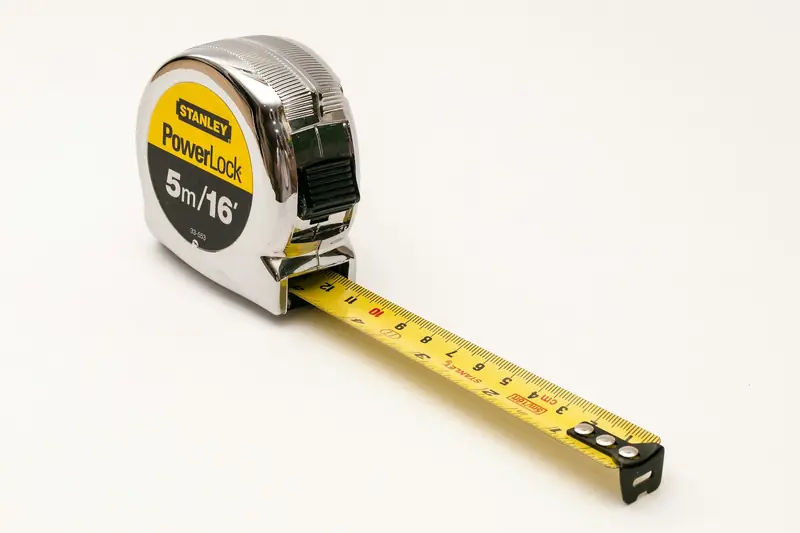
- Measure the furniture (width, depth, height) and every point on the route: building entrance, lift door and car, corridors, the flat door and inner doors.
- The tightest point on the route decides what fits, and that's usually the lift door or a turn in the stairs.
- Many pieces that look too big will pass when tilted or stood on end; a few need legs, doors or the whole frame taken off.
- Beds, wardrobes, tables and desks can be taken apart and put back together at the new flat.
- Keep staircases and common corridors clear: obstructing a means of escape is an offence under Hong Kong's fire safety rules.
- Send us the photos and measurements and we'll plan the route before the day.
Why this matters in Hong Kong
Hong Kong furniture often travels a route it was never designed for: a lift built for passengers, a corridor with a sharp turn, or a walk-up staircase with a landing barely wider than the steps. Checking before the day tells you whether a piece goes as it is, needs taking apart, or shouldn't make the trip at all.

Step by step: check the route before moving day
You need a tape measure, your phone and about twenty minutes at each flat.
Measure the piece
Measure width, depth and height at the widest points, including handles, feet and arms. For a sofa, also measure the 'diagonal depth': lay a straight edge from the top of the back to the front of the arm, and measure from the bottom of the back to that edge. That's the size it needs when tilted through a door.
Measure the building entrance and lobby
Measure the width and height of the entrance, any gates, and the narrowest point between the entrance and the lift or stairs.
Measure the lift door and the lift car
Measure the door opening (width and height), then the inside of the car: width, depth and height. Note the rated load shown on the plate in the lift, and ask management if there's a service lift.
Measure stairs, landings and turns
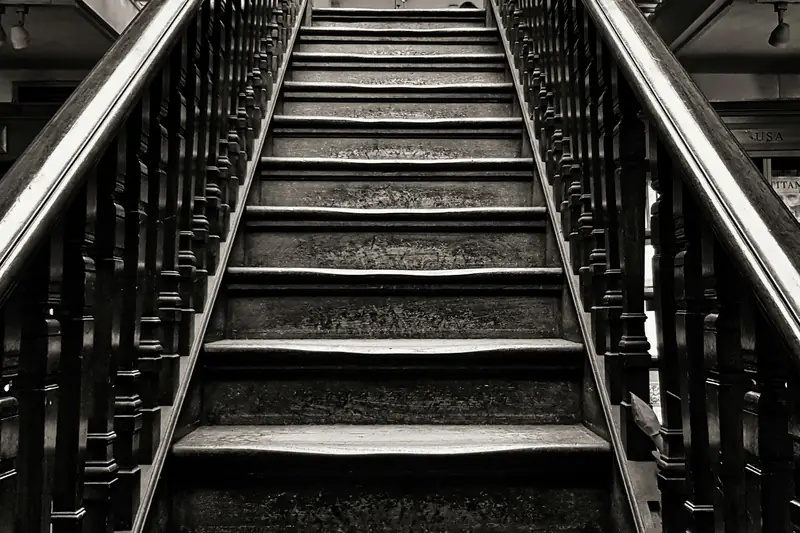
For walk-ups, measure the staircase width between the handrail and the wall, the landing at each turn, and the headroom. The turns matter more than the straight runs.
Measure corridors and doors in the flat
The flat's front door, any inner gate, and the doors of the room the piece is going into. Measure the corridor width wherever the piece has to turn.
Compare, and find the tightest point
Compare the piece's smallest side and its diagonal depth with each point on the route. If the tightest point is smaller than the piece in every direction, plan to take it apart.
Photograph it and send it to us
Take a photo of the piece, the lift door and any tight turn, and send them with the measurements when you ask for a quote. We'll tell you whether it goes as it is, needs taking apart, or won't make it.
Want us to handle it?
WhatsApp your item list or a few photos, both addresses, the floors and your date. You'll get a fixed price before moving day.
Get a free quote on WhatsAppHow it works: free quote →The diagonal trick, and its limits
A long, thin piece (a headboard, a mirror, a tall bookcase) can fit in a lift car that looks too small, because the longest straight line inside a box is its diagonal. For a lift car that's roughly √(width² + depth² + height²). Subtract the thickness of the piece, and treat the result as an upper limit, not a promise: handrails, mirrors and the door opening all cut it down.
The same idea works for doors. A sofa that's wider than the doorway can often go through on its side or on end, as long as its depth (or diagonal depth) is smaller than the door's width.
If the numbers are within a few centimetres, assume it won't fit as it is, and plan to take something off: legs, doors, a headboard or the back cushions.
When to take furniture apart
Beds, wardrobes, tables, desks, cabinets and shelves can usually come apart. We take them apart, wrap the parts and put them back together at the new flat. Some flat-pack and older wooden furniture may not reassemble as well as before, so we can't guarantee those, and we'll tell you if a piece looks risky.
- Empty wardrobes, drawers and cabinets completely first.
- Keep the instructions if you still have them.
- Screws and fittings go in a labelled bag, taped to the largest part.
- Photograph how cables and fittings connect before anything comes off.

Walk-up buildings and keeping the staircase clear
In a walk-up, the staircase is also the building's escape route. Under the Fire Services (Fire Hazard Abatement) Regulation (Cap. 95F), obstructing a means of escape such as a staircase or common corridor is an offence. On moving day that means furniture and boxes are carried through, not parked on the landings, and nothing is left in the stairwell overnight.
If you see a staircase or corridor blocked in your building, the Fire Services Department's hotline for fire-escape obstruction complaints is 2723 8787.
- Tell us the floor and the number of flights at both addresses. It changes the crew size and the time needed.
- Ask management whether there are gates or locked doors on the stairs on the day.
- Clear shoes, bikes and plants from your own landing before the crew arrives.
If it really won't fit
- Take it apart further, if it's designed to come apart.
- Sell it or give it away, and buy something that suits the new flat.
- Have it taken away on moving day with our sister company Junk Removal HK. Their furniture disposal guide explains the options.
- For very large or heavy pieces, ask us. Some routes need extra crew or a different plan.
What affects the cost
Access is one of the biggest factors in a moving quote. These are the things we ask about:
- Floors and stairs at both addresses, and whether each building has a lift.
- The size and weight of the largest pieces, and whether they fit the lift.
- Furniture that has to be taken apart and reassembled.
- How far the truck can park from each entrance.
- Items that won't be moved and need taking away instead.
Send the measurements and photos with your item list, and the fixed price you're given before moving day will already include them, with no hidden fees and no tips.
Questions people ask
How do I know if my sofa will fit in the lift?
Measure the lift door opening and the inside of the car, then the sofa's width, depth, height and diagonal depth. If the sofa's smallest dimension is bigger than the door opening, it won't go in as it is. Send us photos and measurements and we'll check.
Can you take a wardrobe or bed apart?
Yes. Beds, wardrobes, tables, desks, cabinets and shelves. Some flat-pack and older wooden furniture may not reassemble as well as before, so we can't guarantee those, and we'll tell you if a piece looks risky.
Do you move furniture in walk-up buildings?
Yes. Tell us the floor and number of flights at both addresses when you ask for a quote, so the crew and the price are planned for it.
Can we leave furniture on the staircase while we move?
No. The staircase and common corridors are escape routes, and obstructing a means of escape is an offence under Cap. 95F. Furniture is carried straight through and nothing is left on the landings.
What if a piece won't fit at the new flat?
It can be taken apart further, sold or given away, or taken away on moving day with our sister company Junk Removal HK. Tell us before the day so we can plan for it.
What should I measure in a lift?
The door opening (width and height) and the inside of the car (width, depth and height). Note the rated load on the plate inside, and ask management whether there's a service lift.
Want us to handle it?
WhatsApp your item list or a few photos, both addresses, the floors and your date. You'll get a fixed price before moving day.
Get a free quote on WhatsAppHow it works: free quote →Sources
Checked October 2026. Rules and charges change, so confirm with the source before you rely on them.
- Fire Services (Fire Hazard Abatement) Regulation, Cap. 95F (HKLII)
- Government of the HKSAR: Don't Block Fire Exits (Fire Services Department complaint hotline 2723 8787)
More moving guides
 14 min read
Hong Kong moving checklist: week by week
A dated plan for building management, utilities, government address changes and moving day itself. 13 min read
How to pack for a Hong Kong move
Supplies, room-by-room order, fragile items, labelling, and keeping boxes dry in humid and typhoon weather.
Services that help
Walk-up & stairs moving
No-lift flats, tong lau and long stair carries, priced into your fixed quote.
Furniture disassembly & reassembly
Beds, wardrobes, desks and shelves taken apart and put back together.
Home moving
Flats and houses of any size, wrapped, moved and set up again.
Furniture take-away during a move
Old furniture you don't want, taken away on moving day.